Guides · Hudson, Florida
The Best Time of Year to Visit Hudson
The town’s calendar was never the point. Hudson answers to the tide, not to the season.
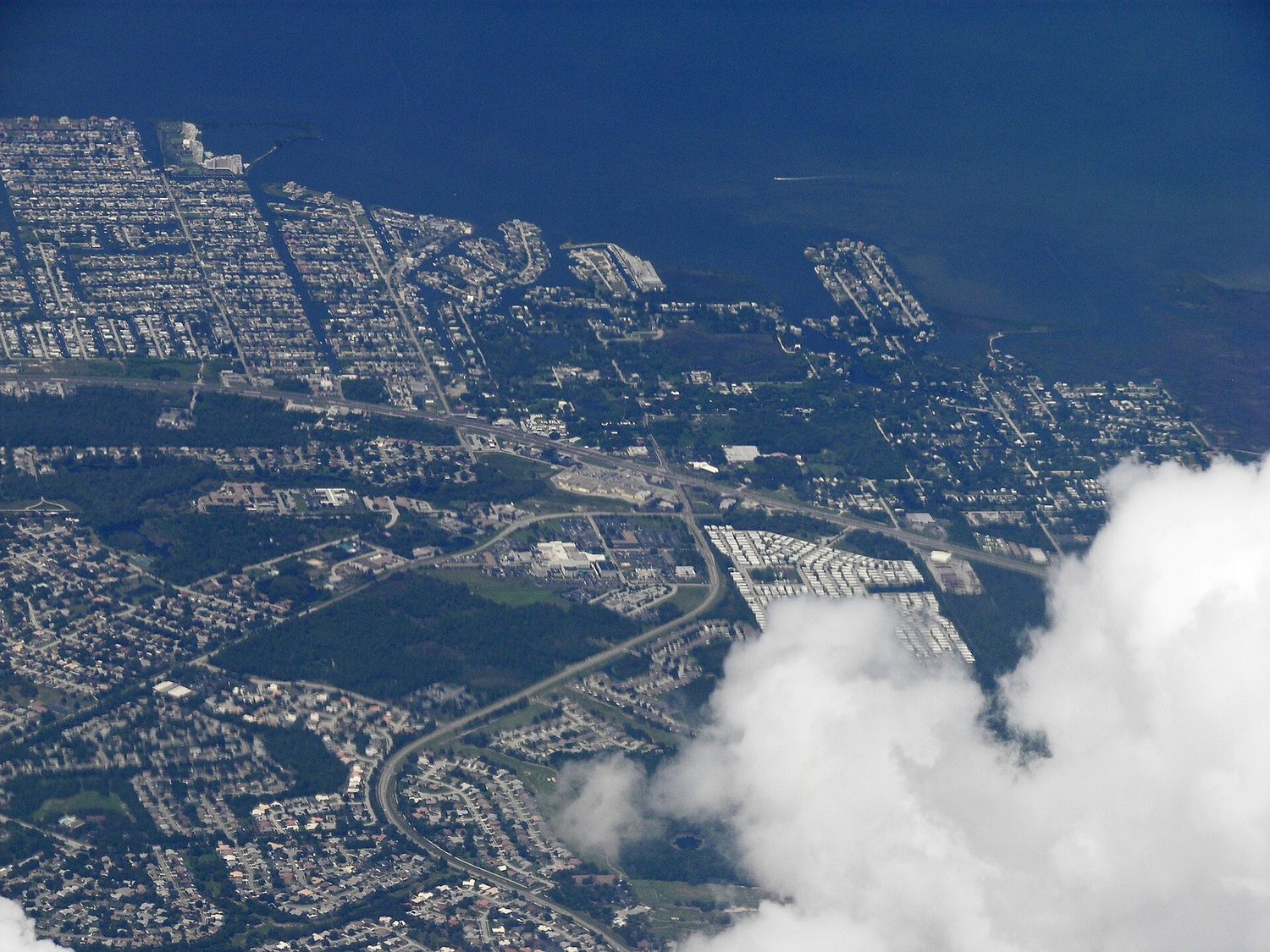
There is no bad time to visit a place that built itself on water and stubbornness. But there is a best time, and it has less to do with weather than with who you want to be while you are here. Come in the summer if you want the town at full volume, families packed around Robert J. Strickland Memorial Park, the beach doing what a beach does. Come in the winter if you want to see what 64.4 years of median age looks like—slow mornings, empty roads, and the Gulf turning the color of old pewter.
We lean toward the shoulder months. March and October, when the snowbirds have not yet arrived or have already left, and the town breathes. The park, built in the 1960s, still holds the community’s beach. It is not a spectacle. It is a flat stretch of sand with a parking lot, and that is exactly right for Hudson.
The Water Decides
Isaac Hudson walked into the uninhabited brush of coastal Pasco County in 1878 and let the post office run out of his house. The water was there before him and it has been running the place ever since. The Fivay Company cut timber and shipped it by rail to Tampa, and when Fivay failed in 1912, the town stalled. Then the water took over. From the 1930s through the 1950s, shrimping and fishing employed about half the working men. That is the rhythm you are buying into.
So the best time to visit is whenever the shrimp boats are moving. That is not a schedule we can give you. Boats do not read calendars. But the pattern holds: the water gives, the water takes, and the town adjusts.
A Town That Never Pretended
Hudson once proclaimed itself the gopher racing capital of the world, and nobody disputed it. That is the whole ethos. No one argued because no one cared to. The town did not need the title to be true. It just liked saying it.
That same unbothered energy applies to housing. Of the 7,632 total units, 1,298 are held for seasonal or recreational use. Over 2,000 sit vacant. That means a lot of the town is empty a lot of the time. If you visit in the off-season, you will notice. The streets are quiet, the rental stock is thin, and you will feel like you have the place to yourself. That is not a flaw. That is the feature.
The median home value is $239,200, and the median gross rent is $1,038. The median household income is $49,063. Nobody is getting rich here, and nobody is pretending to. The unemployment rate sits at 4.7 percent, which is fine. The median age is 64.4 years, which tells you everything about the pace. This is a town for people who have already done their hurrying.
The Port of Hudson Complication
In 1950, W.L. Hendry and his sons dug inlets from the coast around Hudson Springs and used the fill to raise dry ground for houses. That became the Port of Hudson neighbourhood. It is a strange piece of engineering—the land is literally made from the water it sits beside. The canals are not decorative. They are the original construction site.
If you come in the fall, the light hits those canals differently. The water goes flat and green. The houses, built on that raised fill, look like they are floating. They are not. But the illusion is pleasant.
The Numbers Say Winter, But
Only 18.1 percent of residents hold a bachelor’s degree or higher. That is not a knock. It is a statement about what this town values. Hudson was built by lumbermen, shrimpers, and men with shovels who dug canals by hand. It was not built by consultants.
So the best time to visit is the time that respects that history. Late spring, before the summer crush, when the water is warm enough to swim and the town has not yet put on its seasonal face. Or early fall, after the families have gone home, when the shrimp are running and the park is quiet.
We would not come in July. Not because it is hot—it is Florida, it is always hot. But because July is when the town fills with people who do not understand it. They come for a beach, and Hudson is not exactly a beach town. It is a water town. The beach is a bonus.
Come in October. The crowds thin, the light softens, and the town goes back to being what it has always been: a settlement on the coast that got its name from a man who showed up early and stayed. You can do the same.
Just do not call it a hidden gem. It is not hidden. It is just not loud.
Every business named above is one we hold a listing for, and every date traces to a source on our sources page. We do not describe menus, interiors or service we have not verified. Details change — confirm before you travel.