Guides · Hudson, Florida
Hudson Florida Weather: Season by Season Guide
Hudson’s weather isn’t a forecast. It’s a rhythm—one that has shaped its slow, self-satisfied character since Isaac Hudson first scratched a living out of the coastal brush in 1878.
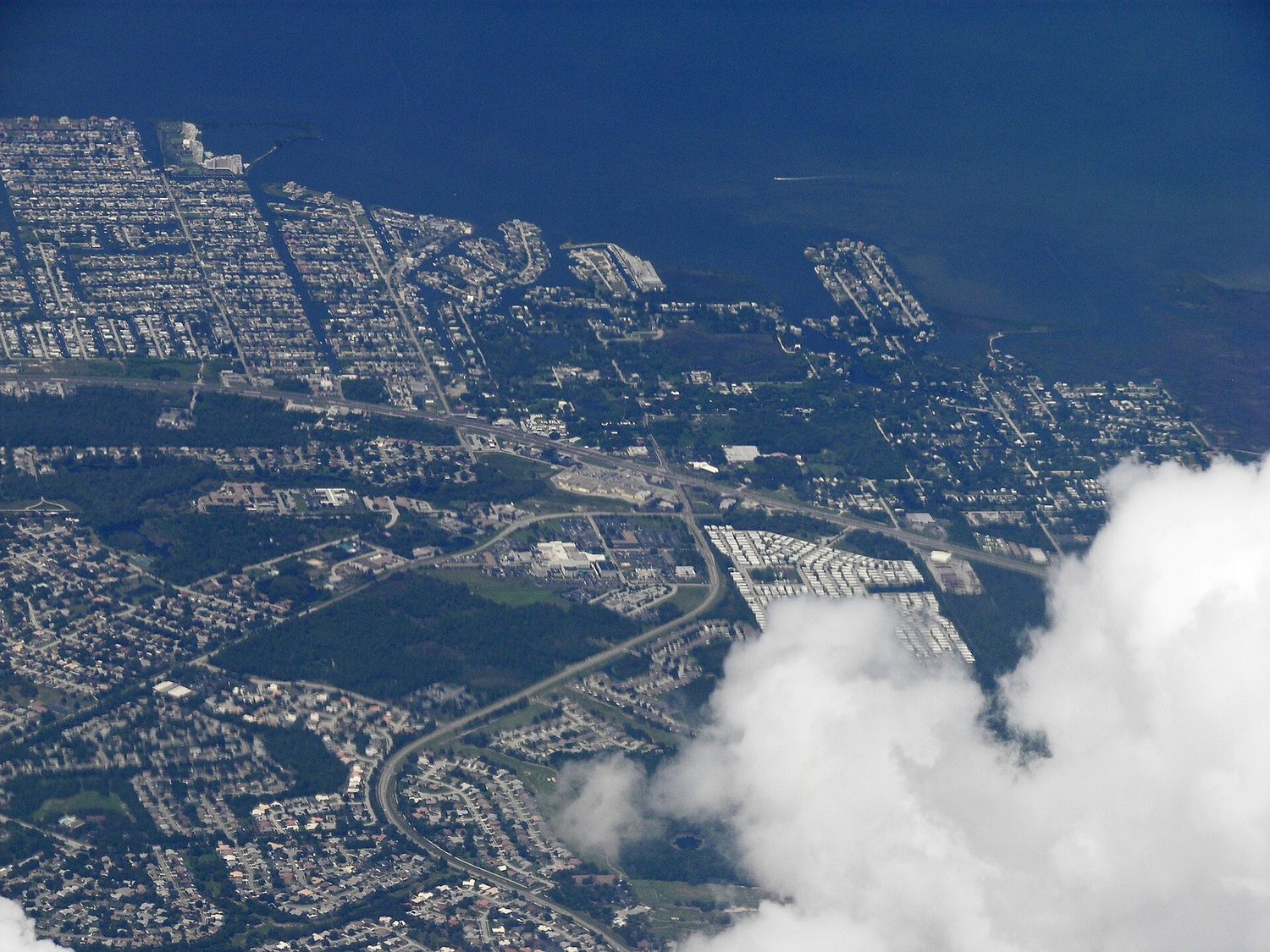
The Dry Season: When the Gophers Ran
From late fall through early spring, the air loses its weight. The Gulf breeze does what it’s supposed to do, and the sun is warm without being punitive. This is the season that made Hudson’s bravest claim—once proclaiming itself the gopher racing capital of the world—seem almost reasonable. The mild months are when Robert J. Strickland Memorial Park earns its keep, the beach filling with people who remember why they stayed. Outdoor work gets done before noon, not because of storms but because there’s no rush. The seasonal residents are back, the snowbirds have landed, and the town moves at the pace of a long, satisfied exhale.
The Wet Season: Rain That Built a Waterfront
Summer arrives with a schedule. Mornings are fine, then the clouds stack up inland and by mid-afternoon the sky opens. These aren’t gentle showers; they’re the kind of rain that turns streets into temporary rivers and makes you check the gutters. It’s also the rain that built the place. The same watery forces that made the coast what it is were harnessed in 1950 when W.L. Hendry and his sons dug inlets from the coast around Hudson Springs, using the fill to raise dry ground for the Port of Hudson neighborhood. Locals don’t fight the downpours; they plan around them. Errands before noon, coffee after. The power flickers, the AC strains, and everyone pretends it’s fine because it is, mostly.
Hurricane Season: The Gulf's Long Shadow
June through November, the Gulf gets a vote. Hudson sits low and close to the water, so tropical weather isn’t hypothetical—it’s a calendar entry. The practical reality is that the median age here is 64.4 years, which means storm prep is serious business, not a hobby. Boarding up, filling gas tanks, and knowing the evacuation route are part of the rhythm. But “unbothered” is a luxury of the inland. Hudson has weathered plenty, and the town’s attitude is less panic and more patience: wait for the cone to narrow, wait for the wind to pass, then get back to the beach. Hurricanes are a shadow, not a constant, and the locals treat them accordingly.
Spring and Fall: The In-Between Weeks
The transitions are the reward. Spring and fall bring the best of both worlds—the humidity hasn’t arrived or has already left, the water is warm enough to fish, and the crowds thin out. This is when the shrimping and fishing crews, who employed about half the working men from the 1930s through the 1950s, would have called it a good season. The weather cooperates for longer stretches, the skies stay clear, and the town feels like it’s exhaling again. The snowbirds are gone or not yet arrived, leaving the beach to the people who know which sandbars are worth the walk.
Heat, Humidity, and the Numbers Behind the Feeling
The heat is real, and the numbers explain why Hudson tolerates it. The median household income sits at $49,063, and the AC bill is less a utility than a currency—a monthly subscription to livability. With 2,042 vacant housing units and 1,298 held for seasonal or recreational use, a good chunk of the town isn’t even here in August, which tells you something about how the weather is judged. The 18.1 percent with a bachelor’s degree might have options elsewhere, but they stay anyway. The heat isn’t a dealbreaker; it’s a trade. You put up with July and August for the nine months that make Hudson feel like a resort town, even if the resort is mostly a beach, a park, and a stubborn sense of place.
So what’s the best time to visit? Late fall through early spring, without question—the dry season is the town at its best. Summer highs are the standard Florida grind, mid-90s with humidity that makes the air feel earned, and locals cope by moving slow and staying inside during the worst of it. Hurricanes are a real consideration from June through November, but the risk is manageable with preparation. The rainy season starts roughly in June and lingers into September, a daily ritual of afternoon downpours. Compared to Dade City (34 miles away, inland and drier), Hudson gets more breeze and more water. Cedar Key (60 miles) is even more exposed to the Gulf, making Hudson feel almost sheltered by comparison. It’s all relative, and Hudson, true to form, doesn’t seem to mind.
| Season | What It Means Here |
|---|---|
| Dry Season (late fall–early spring) | Beach days at Strickland Park, snowbirds in town, gopher racing bravado almost plausible |
| Wet Season (summer) | Afternoon thunderstorms, power flickers, outdoor work before noon |
| Hurricane Season (June–November) | Storm prep with a median age of 64.4, patience over panic |
| Spring and Fall | Best fishing weather, thinned crowds, the town exhales |
Common questions
- What's the weather like in Hudson, Florida?
- Hudson has a subtropical climate with hot, humid summers and mild, drier winters. Expect afternoon thunderstorms from June through September. Winters are pleasant, with occasional cold fronts. The Gulf of Mexico moderates temperatures year-round, keeping extremes rare.
- When is hurricane season in Hudson?
- Hurricane season runs from June 1 to November 30, with peak activity from August to October. Hudson is on the Gulf coast, so it's wise to monitor forecasts and have a plan. Historically, the area has seen storms, but direct hits are not an annual event.
- What are the best months to visit Hudson for good weather?
- For mild, dry weather, visit from November through April. Highs are typically in the 70s and low 80s, with lower humidity. Spring, especially March and April, offers comfortable temperatures before summer heat and rain arrive.
- How hot does it get in Hudson in the summer?
- Summer highs often reach the low 90s, with heat indexes higher due to humidity. Afternoon thunderstorms are common, providing brief relief. Nights stay warm, in the mid-70s. It's a typical Florida summer—hot, humid, and rainy.
- Does it ever get cold in Hudson?
- Yes, but rarely freezing. Winter lows can dip into the 40s, with occasional 30s. Frost is possible a few nights a year. Daytime highs usually reach the 60s and 70s. A light jacket suffices for most winter days.
- What should I pack for a trip to Hudson?
- Pack light, breathable clothing for summer, plus rain gear. For winter, bring layers—a sweater or light jacket for cool evenings. Sunscreen, a hat, and sunglasses are essential year-round. Comfortable sandals or sneakers work for most activities.
Every business named above is one we hold a listing for, and every date traces to a source on our sources page. We do not describe menus, interiors or service we have not verified. Details change — confirm before you travel.