Guides · Hudson, Florida
Hudson vs New Port Richey: A Quiet Florida Town Compared
Hudson never tried to be anything other than what it was. That turns out to be the whole point.
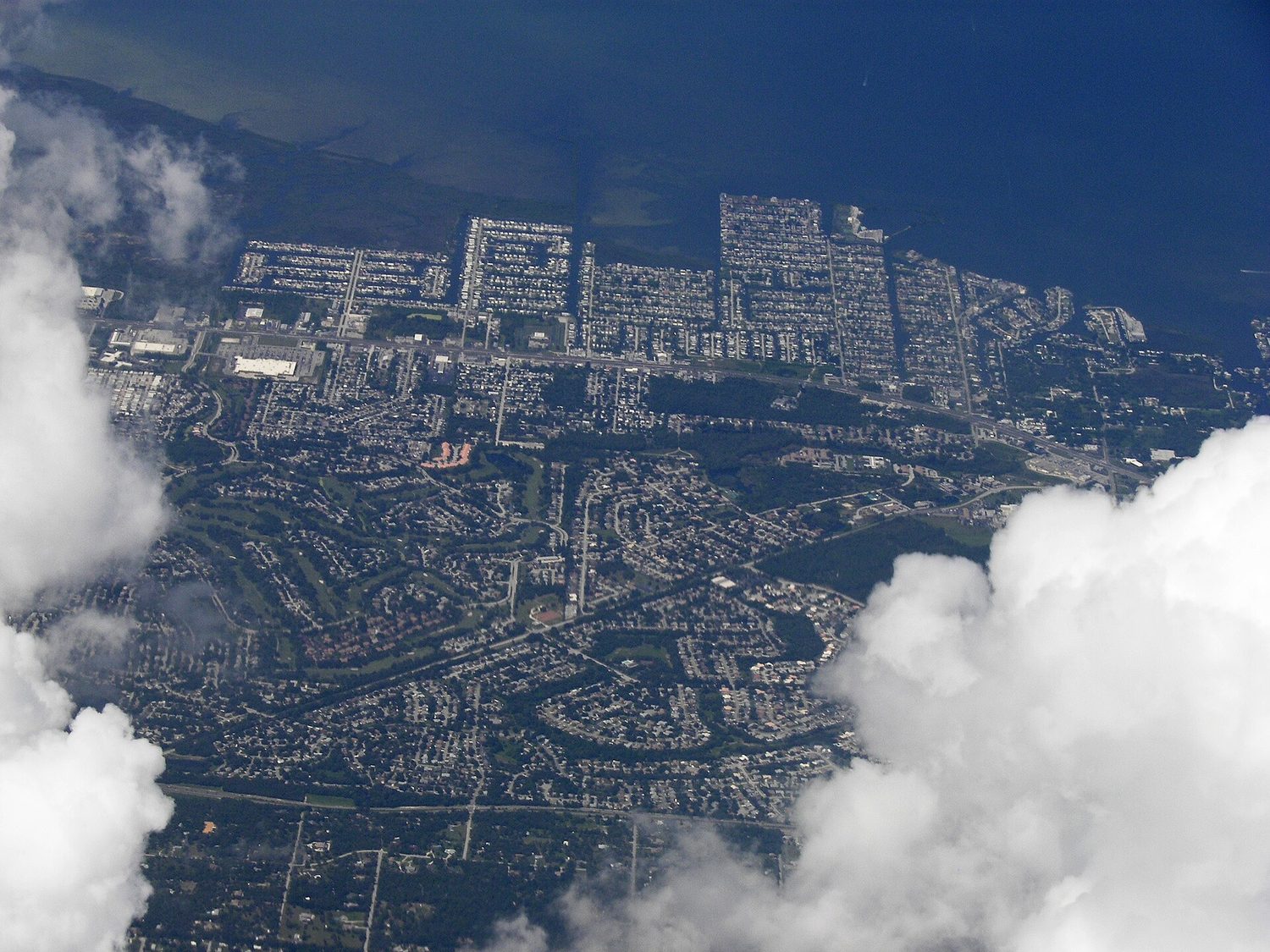
How Hudson Got Its Name and Its Unpretentious Character
Isaac Hudson moved his family into the uninhabited brush of coastal Pasco County in 1878 and let a post office run out of his house. That's the origin story: practical, unadorned, and entirely without ambition beyond getting mail delivered. The settlement carries his name because he was there first, not because anyone had a vision for a resort or a grand commercial future. While New Port Richey down the road leaned into its bayfront charm and civic boosters, Hudson simply existed. It grew when it had a reason to, and stalled when it didn't. That lack of pretense is baked into the town's character to this day.
Hudson's Working History: From Timber and Shrimp to Today
Work came first in the form of lumber. The Fivay Company cut timber here and shipped it by rail to Tampa, and for a while that was the economy. When Fivay failed in 1912 the town stalled, and the water took over—shrimping and fishing employed about half the working men from the 1930s through the 1950s. Hudson didn't pivot to tourism or reinvent itself as a destination. It just switched from one extractive industry to another, and the people who lived here made a living off the Gulf rather than off the visitors. New Port Richey, by contrast, was actively marketing itself as a winter haven and building a downtown around that promise. Hudson never bothered to compete for that crowd.
Hudson's Quirky Claim: The Gopher Racing Capital of the World
At some point Hudson proclaimed itself the gopher racing capital of the world, and nobody disputed it. The title is gloriously low-stakes, the kind of claim a town makes when it has nothing to prove and no rival claimants knocking on the door. There's no evidence of gopher racing sanctioned by any governing body, no trophy case, no interstate challenge. That's precisely why the claim works. It's a quiet joke told by a town that is in on it, a self-awarded crown that requires no defense because no one cared enough to challenge it. New Port Richey has its own civic identity, but it tends to be more earnest about it. Hudson's absurdist title is the better kind of branding: honest about its own ridiculousness.
Hudson's Community Beach: Strickland Park vs New Port Richey's Waterfront
Robert J. Strickland Memorial Park, built in the 1960s and still the community's beach, is Hudson's answer to the shore. It's functional, local, and not trying to be a tourist destination. You go there because you live nearby and want to put your feet in the sand, not because it's featured in a travel magazine. New Port Richey's waterfront has a riverwalk, a performing arts center, and the kind of programmed activity that draws visitors from outside town. Strickland Park just sits there, serving the people who actually live in Hudson, without any pressure to be more than that.
The Port of Hudson Neighborhood: How Land Was Made
Hudson's most ambitious physical project wasn't a civic plaza or a resort development—it was a drainage scheme. In 1950, W.L. Hendry and his sons dug inlets from the coast around Hudson Springs and used the fill to raise dry ground for houses, creating the Port of Hudson neighborhood. It's a wholly practical endeavor, the kind of thing a town does when it needs more buildable land rather than more glamour. The result is a waterfront community that exists because someone moved dirt, not because someone drew up a master plan. New Port Richey's development history is tied to the railroad and the promise of a Gulf Coast paradise; Hudson's is tied to a guy with a shovel and a family work crew.
Hudson Demographics: Age, Housing, and Income Stats
The census data tells a consistent story. Hudson's median age is 64.4 years, a number that reflects a community of retirees and long-term residents who aren't looking for nightlife. Of the 7,632 total housing units, 1,298 are held for seasonal or recreational use, and 2,042 are vacant—together, that's a lot of empty driveways much of the year. The median home value is $239,200 and median gross rent is $1,038, which are modest figures for coastal Florida. The unemployment rate sits at 4.7 percent, and median household income is $49,063, with 18.1 percent of residents holding a bachelor's degree or higher. None of these numbers suggest a boomtown. They suggest a place where people come to slow down, keep their heads down, and not be bothered.
Hudson vs. New Port Richey: A Quick Comparison
| Hudson | New Port Richey |
|---|---|
| Named for a settler's post office, not a sales pitch | Developed as a railroad-era winter haven with active promotion |
| Economy shifted from timber to shrimping and fishing | Economy built around tourism, waterfront recreation, and service industries |
| Self-proclaimed gopher racing capital, unchallenged | Known for its riverfront, performing arts, and civic events |
| Beach access via a community park from the 1960s | Waterfront riverwalk and a more developed downtown core |
| Median age 64.4, many seasonal and vacant homes | Generally younger and more populated, with more year-round activity |
| Quieter, self-contained, low-ambition character | More programmed, more visitors, more civic energy |
Hudson is a good fit for someone who wants coastal Florida without the performance of coastal Florida. It suits retirees who value proximity to the Gulf but not the crowds, people who fish or boat for their own enjoyment rather than for Instagram, and anyone who finds the phrase "gopher racing capital of the world" genuinely funny rather than embarrassing. Someone looking for a vibrant downtown, gallery openings, or a full events calendar will be bored here—and that's fine. Hudson doesn't want to be that place. It's a town that named itself after a man who just set up a post office, dug some inlets for dry ground, and let the water provide the rest. That's the whole pitch, and it's enough.
Common questions
- Is Hudson really the gopher racing capital of the world?
- Yes, Hudson once proclaimed itself the gopher racing capital of the world, and nobody disputed it. That's about as official as it gets around here. The title is a point of local pride, even if the races are a memory.
- What's there to do in Hudson?
- Robert J. Strickland Memorial Park, built in the 1960s, is still the community's beach. The Port of Hudson neighborhood, with its dug inlets from 1950, offers waterfront views. Mostly, it's a quiet place to fish, boat, and enjoy the coast.
- How is Hudson different from New Port Richey?
- Hudson is smaller and more laid-back, with a median age of 64.4 years. New Port Richey has more commercial development. Hudson's history is tied to timber and shrimping, and it never pretended to be more than a working waterfront town.
- Is Hudson a good place to retire?
- With a median age of 64.4 and a population of 10,873, it's a quiet, older community. About 17 percent of homes are for seasonal or recreational use, so it's popular with snowbirds. The median home value is $239,200, and rent is $1,038.
- What's the job situation in Hudson?
- Unemployment is 4.7 percent, and median household income is $49,063. Historically, shrimping and fishing employed about half the working men from the 1930s through the 1950s. Today, many residents likely commute to nearby cities for work.
- What's the history of Hudson, Florida?
- Isaac Hudson moved his family into the brush in 1878 and ran a post office from his house. The Fivay Company cut timber until it failed in 1912, then the water took over. The Port of Hudson was built in 1950 by dredging inlets.
Every business named above is one we hold a listing for, and every date traces to a source on our sources page. We do not describe menus, interiors or service we have not verified. Details change — confirm before you travel.