Guides · Hudson, Florida
Hudson, Florida: A Waterfront Town with a Quiet History
Hudson never needed to be the biggest or the loudest town on the Gulf. It tried lumber once, got over it, and settled into the slower, wetter rhythm that suited it fine.
How Hudson Got Its Name: A Post Office in the Brush
Isaac Hudson moved his family into the uninhabited brush of coastal Pasco County in 1878. No grand plan. No town grid. No chamber of commerce. He simply set up a post office in his house, and that was enough. The mail came, the name stuck, and the settlement carried his name from then on. It wasn't a founding so much as an arrival that quietly became permanent.
From Timber to Tides: The Fivay Company and Hudson's Shift to Fishing
For a stretch, Hudson looked like it might be about timber. The Fivay Company cut trees here and shipped them by rail to Tampa. Real industry. Real payroll. Real momentum. Then, in 1912, Fivay failed. The town stalled. But the water was still there, and it didn't take long for the men to figure out what to do with it. From the 1930s through the 1950s, shrimping and fishing employed about half the working men in town. Lumber was the first act; the Gulf became the second.
Gopher Racing Capital of the World: Hudson's Quirky Claim to Fame
At some point, Hudson proclaimed itself the gopher racing capital of the world. Nobody argued. There was no governing body to approve it, no rival city challenging the claim, and no evident shortage of gophers willing to race. It was the kind of title a town gives itself when it doesn't need anyone else's permission. That self-assured, slightly absurd declaration says more about Hudson than any chamber of commerce brochure could.
The Port of Hudson: Waterfront Homes Built by Hand
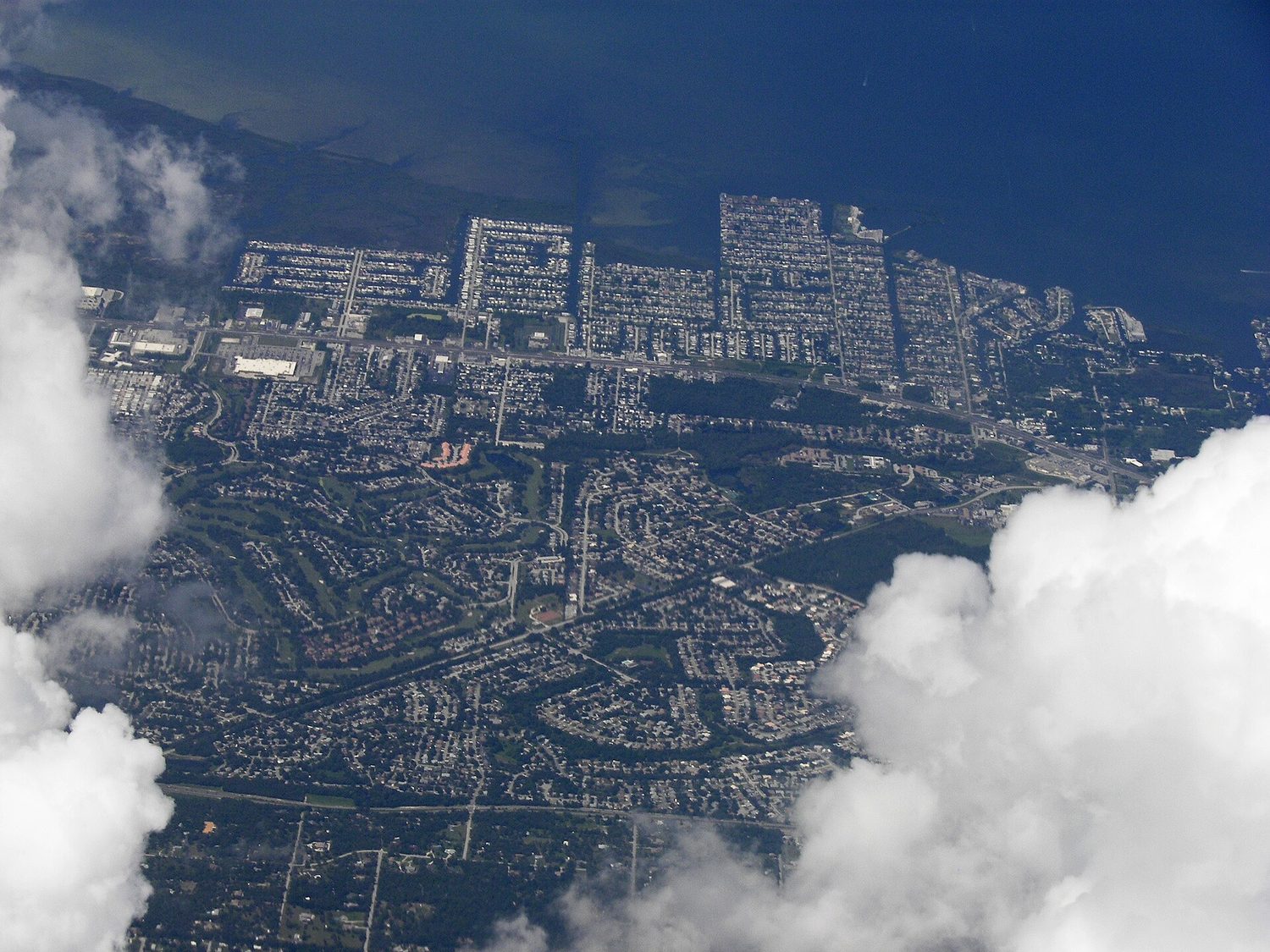
In 1950, W.L. Hendry and his sons decided the coast around Hudson Springs needed more houses and more water access. So they dug inlets from the coast and used the fill to raise dry ground for the homes that followed. They didn't wait for a developer or a county plan. They just moved the earth themselves. The Port of Hudson neighborhood is still there, a reminder that this town's waterfront was shaped by hand, not by blueprint.
Robert J. Strickland Memorial Park: Hudson's Community Beach
If you want to see Hudson on a decent day, head to Robert J. Strickland Memorial Park. Built in the 1960s, it remains the community's beach. It's where people go to swim, sit, watch the water, and not think about much else. It wasn't built to impress tourists. It was built so the town would always have a place to reach the Gulf, and it still does that job.
Hudson Today: A Slower Pace by the Gulf
The numbers tell the story of a town that isn't trying to be anything else. The population sits at 10,873, and the median age is 64.4 years. That is not a town of young strivers; it's a town of people who have decided where they want to be. More than 2,000 housing units sit vacant, and 1,298 are held for seasonal or recreational use. The median home value is $239,200, the median gross rent is $1,038, and the median household income is $49,063. Only 18.1 percent of residents hold a bachelor's degree or higher, and unemployment is at 4.7 percent. It's not a wealthy town, and it's not a bustling one. It's a place where the water sets the schedule, and the people are fine with that.
Hudson isn't a destination. It isn't a secret, either. It's just a town that tried one thing, watched it end, and then found a better pace on the water. You can visit Dade City for the Kumquat Festival or Cedar Key for the seafood festival, but neither of those towns has a beach built in the 1960s for its own people. Hudson does.
The gopher racing title is still the best thing about the town's history, because it wasn't earned or awarded. It was simply declared, and no one bothered to dispute it. That's Hudson in one sentence: it knows what it is, and it isn't asking for your approval.
Hudson at a Glance: Key Numbers
| Measure | Value |
|---|---|
| Population | 10,873 |
| Median age | 64.4 years |
| Total housing units | 7,632 |
| Vacant housing units | 2,042 |
| Seasonal or recreational use homes | 1,298 |
| Median home value | $239,200 |
| Median gross rent | $1,038 |
| Median household income | $49,063 |
| Bachelor's degree or higher | 18.1% |
| Unemployment rate | 4.7% |
The beach is still there. The inlets are still there. The gopher racing title is still unchallenged. Hudson made its peace with the water a long time ago, and it's been fine ever since.
Common questions
- Why is Hudson called the gopher racing capital of the world?
- The town proclaimed itself the gopher racing capital of the world, and nobody disputed it. It's a title from the town's own boast, not something verified by any official body. It's the kind of claim Hudson just let sit there.
- What is there to do in Hudson?
- Robert J. Strickland Memorial Park, built in the 1960s, is still the community's beach. The water is the main draw—shrimping and fishing employed about half the working men from the 1930s through the 1950s. It's a quiet, water-oriented town.
- Is Hudson a good place to retire?
- The median age is 64.4 years, and of 7,632 housing units, 1,298 are held for seasonal or recreational use. That suggests a lot of part-time residents and a slower pace. Median home value is $239,200, with a median gross rent of $1,038.
- What's the deal with the Port of Hudson neighborhood?
- It was made in 1950 when W.L. Hendry and his sons dug inlets from the coast around Hudson Springs and used the fill to raise dry ground for houses. So it's a man-made waterfront area, built from the spoil of its own canals.
- How far is Hudson from other Florida towns?
- Dade City is 34 miles away, Cedar Key is 60 miles, Clermont is 68 miles, and Mount Dora is 79 miles. Altamonte Springs is 92 miles. These are all day-trip distance if you want a festival or a change of scenery.
- Is Hudson a big town?
- Population is 10,873 people. It's not large. The unemployment rate is 4.7 percent, and median household income is $49,063. About 18.1 percent of residents have a bachelor's degree or higher. It's a small, working-water town.
Every business named above is one we hold a listing for, and every date traces to a source on our sources page. We do not describe menus, interiors or service we have not verified. Details change — confirm before you travel.