Guides · Hudson, Florida
Why Hudson Is Where It Is
The name arrived the way most things do here: quietly, and attached to a mailbox.
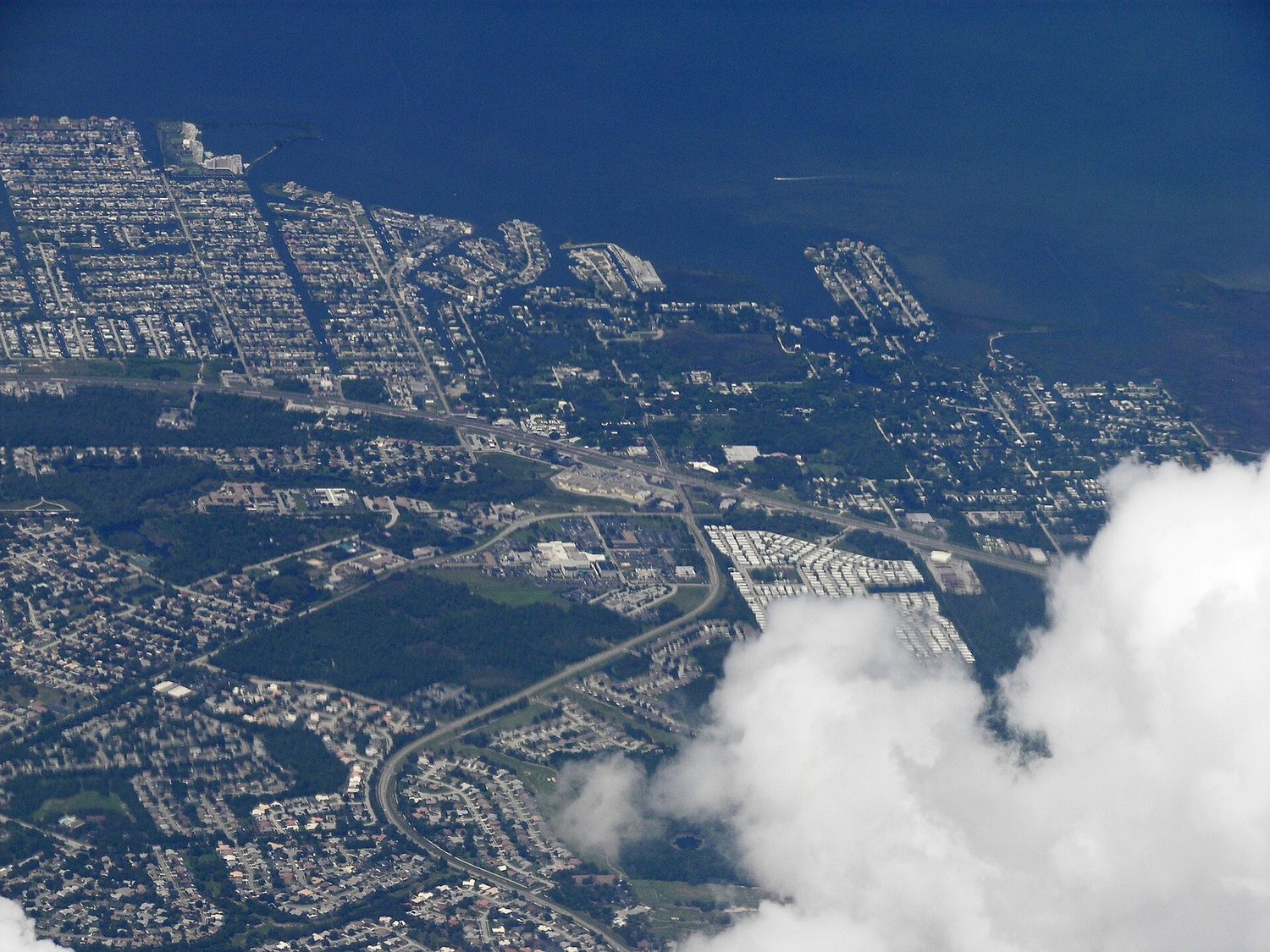
Isaac Hudson moved his family into the uninhabited brush of coastal Pasco County in 1878 and let a post office run out of his house. The settlement took his name because he was the one who stayed. Nobody argued. That is the founding myth of Hudson, and it is probably true enough.
Timber, Then Water
For a few decades, Hudson was a lumber town. The Fivay Company cut timber here and shipped it by rail to Tampa. That was the first economy, and it worked until it didn't. When Fivay failed in 1912, the town stalled. The sawmills went quiet, and the men looked out at the Gulf and figured out the obvious.
Shrimping and fishing employed about half the working men from the 1930s through the 1950s. That is a specific number, and it tells you everything. Hudson did not pivot to something clever. It just turned around and faced the water it had been ignoring.
The Gopher Racing Years
At some point, Hudson proclaimed itself the gopher racing capital of the world. Nobody disputed it. That is the whole story. There was no governing body, no championship circuit, no rival claimant from a neighboring county. Just a town that decided a thing and let it stand. It is the most Hudson sentence ever written.
The gophers are gone, or at least the racing is. But the spirit of unbothered self-definition remains. The town never pretended to be more than it was, and it never pretended to be less, either.
The Beach That Stayed
Robert J. Strickland Memorial Park was built in the 1960s and is still the community's beach. It is not a sugar-sand destination. It is a local park with local water, and that is exactly the point. Generations of Hudson kids learned to swim there, and their kids are learning now.
The park has outlasted the lumber company, the gopher races, and most of the shrimping fleet. It is the one constant, and the town treats it accordingly.
The Neighborhood That Was Built
In 1950, W.L. Hendry and his sons dug inlets from the coast around Hudson Springs and used the fill to raise dry ground for houses. They called it the Port of Hudson neighborhood. It was not a natural feature. It was engineering, plain and simple. Hendry looked at swampy land, decided it should be lots, and made it so.
That kind of directness is the local character. No waiting for permission, no grand plan. Just dig, fill, build.
What the Census Says Now
The numbers tell a clear story. Population is 10,873 people, and the median age is 64.4 years. This is a town of retirees and people who got here early and stayed. Total housing units number 7,632, and 2,042 of them are vacant. That vacancy rate is not a failure. It is a seasonal rhythm.
Homes held for seasonal or recreational use account for 1,298 units. Snowbirds, mostly. They come down when it is cold up north, and they leave when it is hot down here. The town does not resent them. It just notes the pattern.
Median home value is $239,200. Median gross rent is $1,038. Median household income is $49,063. The unemployment rate is 4.7 percent, which is fine. Only 18.1 percent of adults hold a bachelor's degree or higher. That is not a knock. It is a statement about what the town values, and it is not paperwork.
The Shape of It
Hudson sits where the coast flattens out and the roads stop pretending to be highways. It is a place that exists because one man opened a post office in his house, and then the water took over, and then the gopher races happened, and then the Hendrys raised the ground.
There is no mystery to why Hudson is where it is. It is where the timber was, and then where the shrimp were, and then where the retirees wanted to be. Each era left a layer, and the town is the accumulated sediment. It does not apologize for any of it.
The beach is still there. The inlets still hold water. The post office is long gone, but the name stuck. That is the whole history, and it is enough.
Every business named above is one we hold a listing for, and every date traces to a source on our sources page. We do not describe menus, interiors or service we have not verified. Details change — confirm before you travel.