Guides · Hudson, Florida
What Is Hudson, Florida Known For? Gopher Racing & More
Hudson never needed to be a destination. It was content being a place, and its grandest boast — gopher racing — was delivered with a straight face and never contested.
Hudson's Claim to Fame: Gopher Racing Capital
Hudson once proclaimed itself the gopher racing capital of the world, and nobody disputed it. That was the whole trick. No rival town stepped forward to claim the crown. No evidence anyone ever checked. The title stuck the way a good joke sticks: quietly, without needing applause. The town didn't build a stadium or host a championship; it simply said the words and let the world shrug and move on. Today, you won't find a schedule of races or a trophy case. The claim lives in the town's memory, a self-awarded honor that required no verification and received none.
Hudson's Economic History: Timber, Shrimp, and the Sea
Before the gophers, there was lumber. The Fivay Company cut timber here and shipped it by rail to Tampa, and for a while, that was the economy. When Fivay failed in 1912, the town stalled — no mill, no rail traffic, no reason to hurry. But the water was still there, and Hudson turned to it. From the 1930s through the 1950s, shrimping and fishing employed about half the working men in town. It wasn't glamorous work, but it was steady, and it gave the community a purpose that didn't depend on a company's balance sheet. The water took over where the lumber left off, and Hudson found its footing in the slow, patient rhythm of the tide.
Isaac Hudson: The Man Behind the Town's Name in 1878
The name came from Isaac Hudson, who moved his family into the uninhabited brush of coastal Pasco County in 1878. No town yet. Just a man and his household in the scrub. He ran a post office out of his house, and that was enough — the settlement carried his name from then on. It wasn't a grand founding; no proclamation, no ceremony. A post office in a front room, a name on a map, and the place became Hudson. The town grew up around that modest beginning, and it never saw a reason to pretend otherwise.
Port of Hudson: How Land Was Created from Inlets
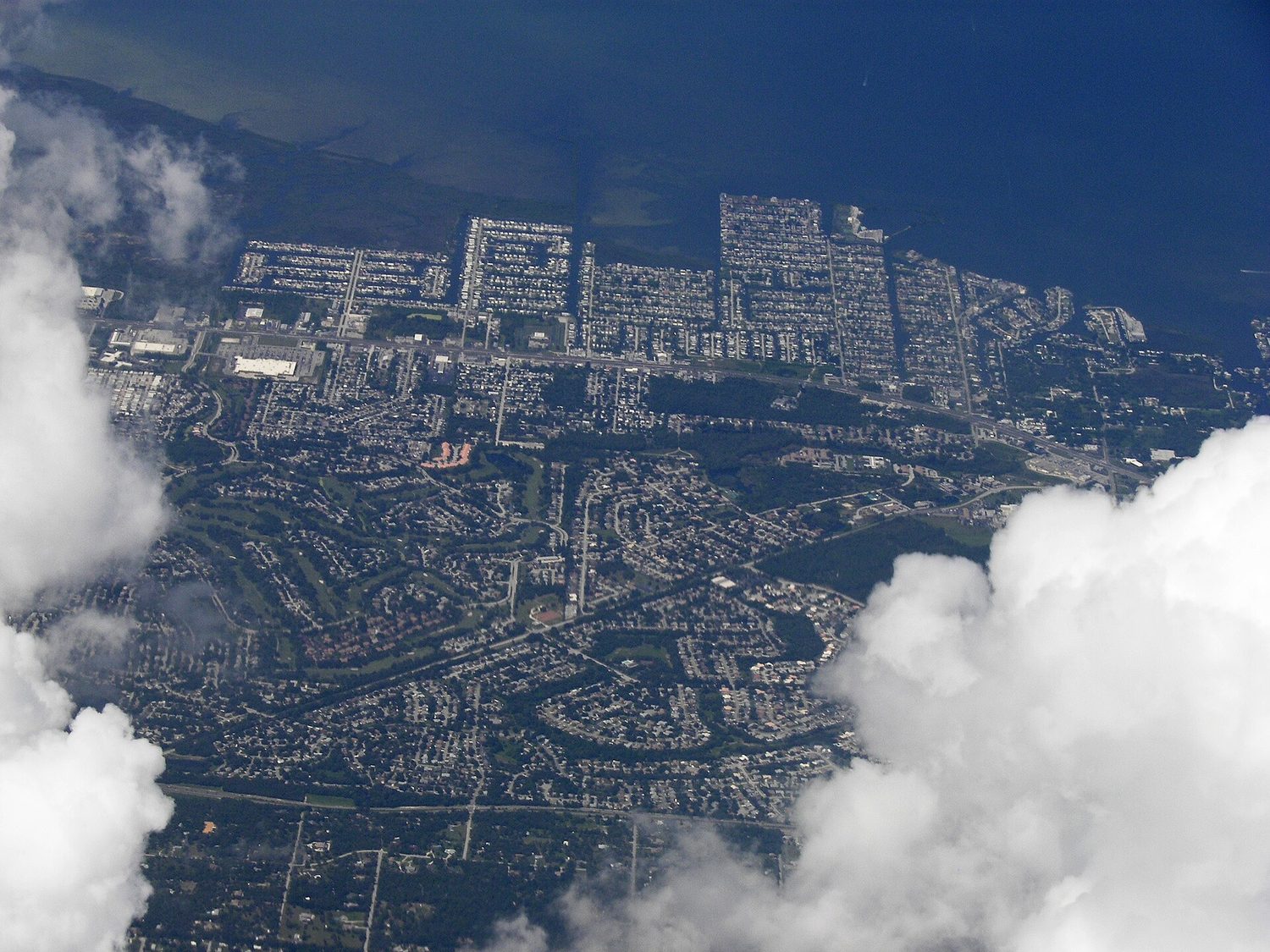
In 1950, W.L. Hendry and his sons dug inlets from the coast around Hudson Springs and used the fill to raise dry ground for houses. That was the Port of Hudson neighborhood — not a harbor, not a port in the shipping sense, but a patch of land made livable by moving dirt from one place to another. The inlets gave residents water access, and the fill gave them somewhere to build. Practical, straightforward work, the kind of thing that defines Hudson: solve the problem in front of you, then move on. The neighborhood still stands, proof that land can be made, not just found.
Strickland Park: Hudson's Community Beach and Gathering Place
Robert J. Strickland Memorial Park was built in the 1960s and remains the community's beach. It's not a resort; there's no boardwalk, no arcade, no promise of a vacation experience. It's a stretch of shore where locals go to sit, wade, and watch the water. The park has served as a focal point for residents for decades, a place to gather without pretense. If you visit, don't expect amenities beyond the basics. The beach belongs to the town, and that's the point.
Hudson's Demographics: A Retiree Community by the Numbers
The census tells a clear story: Hudson is a town of retirees and seasonal visitors, with a median age of 64.4 years. Of the 7,632 housing units, 1,298 are held for seasonal or recreational use, and 2,042 sit vacant — numbers that suggest a place that fills up when the weather turns cold and empties out when it doesn't. The median household income is $49,063, and the median home value is $239,200, with a median gross rent of $1,038. The unemployment rate sits at 4.7 percent, and 18.1 percent of residents hold a bachelor's degree or higher. It's a modest, stable economy, not a booming one.
Hudson at a Glance: Key Census Numbers
| Measure | Value |
|---|---|
| Population | 10,873 people |
| Median age | 64.4 years |
| Total housing units | 7,632 units |
| Homes held for seasonal or recreational use | 1,298 units |
| Vacant housing units | 2,042 units |
| Median home value | $239,200 |
| Median gross rent | $1,038 |
| Median household income | $49,063 |
| Unemployment rate | 4.7 percent |
| Bachelor's degree or higher | 18.1 percent |
So what is Hudson known for? A gopher racing title nobody challenged, a post office that named a town, a beach built in the 1960s, and a neighborhood dug out of the coast in 1950. It's not a destination. It's a place that knows exactly what it is, and it never pretended to be more.
Common questions
- What is Hudson, Florida known for?
- Hudson once called itself the gopher racing capital of the world, and nobody argued. It started as a lumber town in 1878, then shifted to shrimping and fishing by the 1930s. Today it's a quiet coastal community with a median age of 64.4.
- Is Hudson a good place to retire?
- Yes, the median age here is 64.4 years, and about 17 percent of homes are held for seasonal or recreational use. It's a low-key waterfront town with a beach at Robert J. Strickland Memorial Park, built in the 1960s. No pretense, just water and quiet.
- What is there to do in Hudson?
- Mostly you're here for the coast. Robert J. Strickland Memorial Park has been the community beach since the 1960s. The Port of Hudson neighborhood, dug out in 1950, offers waterfront views. Nearby Dade City is 34 miles away if you want the Kumquat Festival.
- How far is Hudson from Tampa?
- Hudson sits in coastal Pasco County, and the Fivay Company used to ship timber by rail to Tampa. It's roughly a 40-minute drive south, depending on traffic. You're close enough for a day trip but far enough that it stays quiet.
- Is Hudson expensive to live in?
- Not particularly. The median home value is $239,200 and median gross rent is $1,038 a month. Household income runs about $49,063, and unemployment is 4.7 percent. It's a working-class coast, not a resort town.
- What's the history of Hudson, Florida?
- Isaac Hudson moved his family into the brush in 1878 and ran a post office from his house. The Fivay Company logged timber until it failed in 1912, then fishing and shrimping took over, employing half the working men through the 1950s. The name stuck, and so did the quiet.
Every business named above is one we hold a listing for, and every date traces to a source on our sources page. We do not describe menus, interiors or service we have not verified. Details change — confirm before you travel.